Our Radiology Services
1. Digital X-Ray
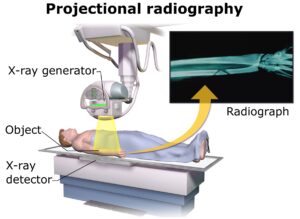 What it is:
A quick, painless test that uses radiation to create images of the inside of your body — especially bones and chest.
Common Uses:
- Bone fractures
- Chest infections
- Joint injuries
- Dental evaluations
Preparation:
No special preparation needed. You may be asked to remove metal objects.
Benefits of Digital X-Ray
- Faster Results
Digital X-rays produce images instantly, reducing waiting time for both patients and doctors.
- High-Quality Images
They offer sharper, clearer images that help radiologists detect issues more accurately.
- Lower Radiation Exposure
Digital X-ray systems use significantly less radiation compared to traditional film X-rays, making it safer for patients.
- Environment-Friendly
No chemicals or films are used, which makes digital X-ray a greener and cleaner technology.
- Easy Image Storage & Sharing
Digital files can be stored securely and shared instantly with doctors, specialists, or hospitals for further diagnosis.
- Quick Diagnosis
Since images are ready immediately, treatment decisions can be made faster — especially important in emergencies.
- Enhanced Image Adjustments
Radiologists can zoom, rotate, or adjust contrast in digital images, improving accuracy without retaking scans.
2. MRI (Magnetic Resonance Imaging)
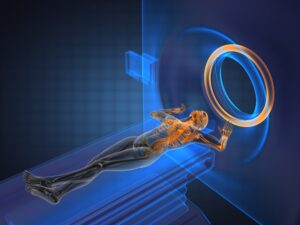
What it is:
MRI uses strong magnets and radio waves to produce detailed images of organs, soft tissues, and joints.
Common Uses:
- Brain and spinal cord imaging
- Joint or muscle injuries
- Tumor detection
- Pelvic and abdominal scans
Preparation:
Remove metal accessories. Inform us if you have implants, pacemakers, or are pregnant.
3. CT Scan (Computed Tomography)
What it is:
A CT scan combines X-rays and computer technology to create cross-sectional images of the body.
Common Uses:
- Head injuries
- Internal bleeding
- Lung conditions
- Cancer detection
Preparation:
May require fasting if contrast dye is used. Inform the staff if you’re allergic to iodine or have kidney issues.
4. Ultrasound
What it is:
A safe and painless scan using sound waves to produce images — commonly used in pregnancy and organ diagnosis.
Common Uses:
- Pregnancy monitoring
- Abdomen, kidney, and liver scans
- Pelvic or thyroid examination
- Blood flow studies (Doppler)
Preparation:
Depending on the test, you may need a full bladder or fasting.
5. Echocardiography (ECHO)
What it is:
A specialized ultrasound of the heart that helps evaluate its structure and function.
Common Uses:
- Heart valve function
- Detecting heart defects
- Measuring heart pumping strength
Preparation:
No special preparation. Procedure is non-invasive and painless.
6. ECG (Electrocardiogram)
What it is:
A simple test that records the electrical activity of the heart.
Common Uses:
- Detecting irregular heartbeat
- Monitoring heart conditions
- Checking heart during stress or chest pain
Preparation:
No special preparation required.